igG4-RD
Please like and share out information page about IgG4-RD
Understanding your diagnosis:
IgG4-RD is a progressive condition caused by your immune system becoming overactive, leading to inflammation and scarring (fibrosis) in one or multiple parts of the body, including the pancreas, salivary glands, kidneys, bile ducts, and other organs.
In fact, between 60% and 90% of people with IgG4-RD are diagnosed with multiple organ involvement.
Rare voice box involvement in
IgG4-RD can make diagnosis difficult
Oral drug shows promise in trial
as standalone treatment for IgG4-RD
Part 2 — Beyond the Diagnosis: The Emotional Side of Living with IgG4-Related Disease
Repeat vaccination =
weaker immune killing: The IgG4 problem

Anatomic and Functional Imaging of Immunoglobulin G4–related Disease and Its Mimics
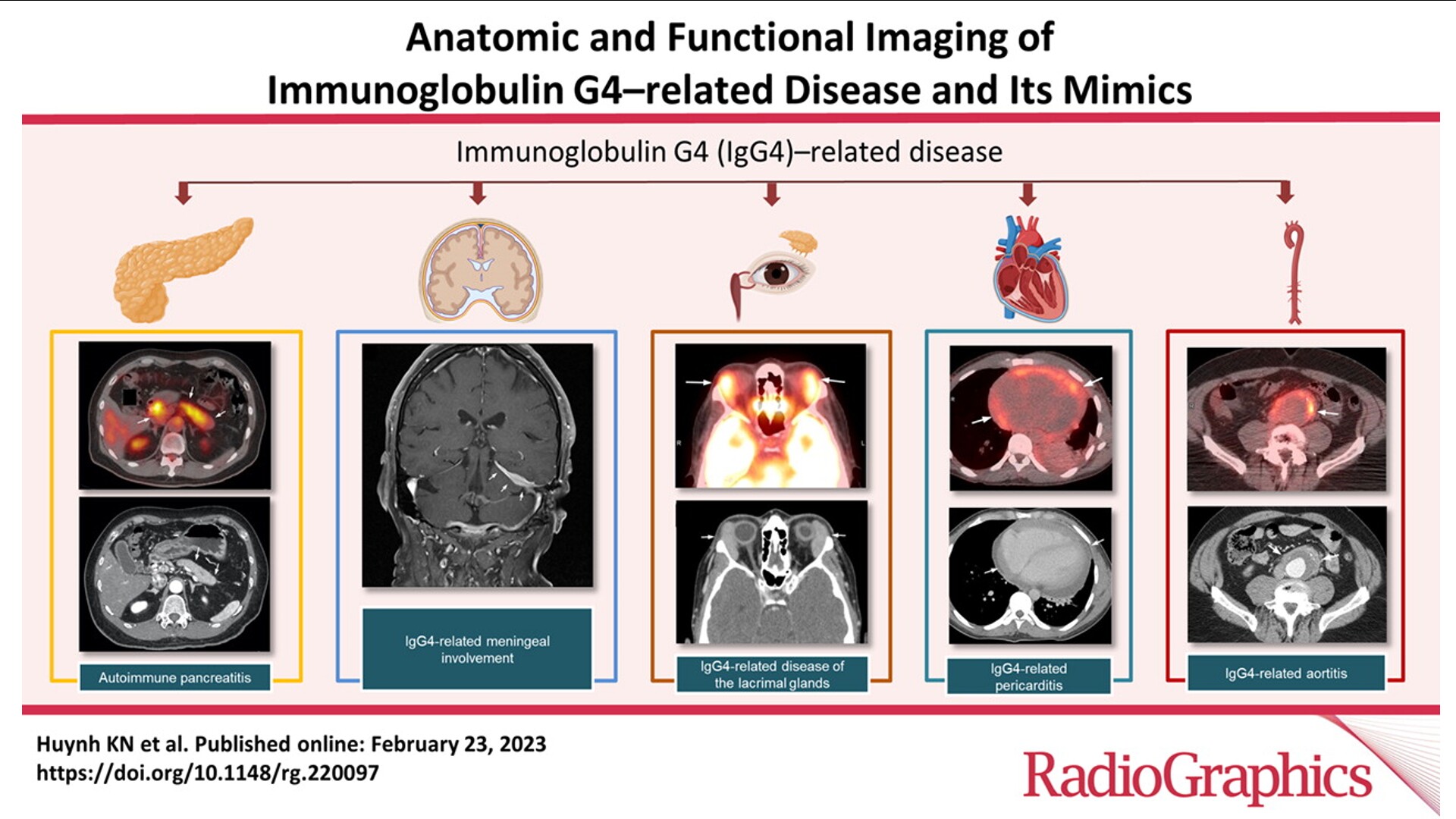
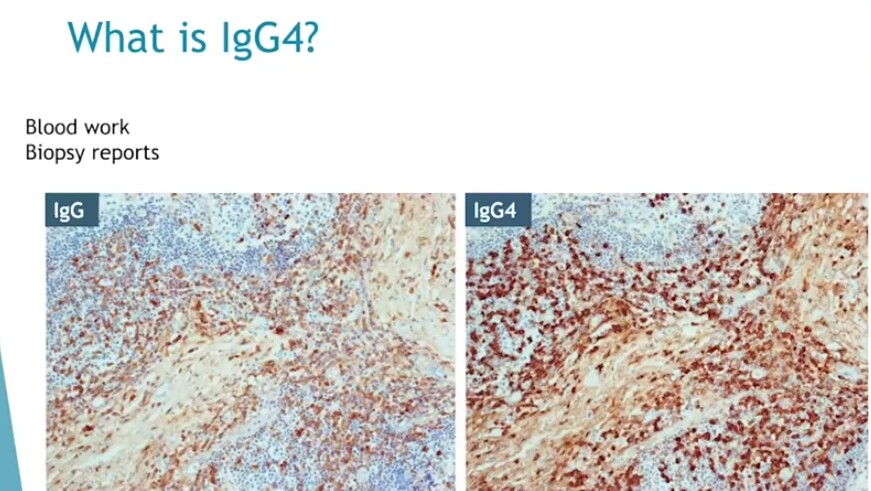
IgG4-RD is a rare, chronic immune-mediated condition that causes inflammation and fibrosis in multiple organs, often forming tumor-like masses, but is typically responsive to treatment if detected early.
Overview
IgG4-related disease (IgG4-RD) is a chronic inflammatory condition characterized by tissue infiltration with lymphocytes and IgG4-secreting plasma cells, along with varying degrees of fibrosis. It can affect multiple organs simultaneously, including the pancreas, salivary glands, kidneys, bile ducts, lungs, thyroid, aorta, and orbital tissues, among others, and may mimic cancer due to mass formation (Wikipedia, Cleveland Clinic, American College of Rheumatology) . The disease is more common in middle-aged to elderly individuals, with a higher prevalence in men, though children can rarely be affected rheumatology.org.
Symptoms
Symptoms vary depending on the organs involved and may develop gradually. Common manifestations include:
- Painless swelling or mass lesions in affected organs
- Fatigue, weight loss, or headaches
- Organ-specific dysfunction, such as jaundice from pancreatic or biliary involvement, shortness of breath from lung involvement, or urinary obstruction from kidney involvement
- Cranial nerve dysfunction or proptosis in orbital disease
Many patients may remain asymptomatic for months or years, which can delay diagnosis and lead to organ damage even when the patient feels well.
Causes and Pathophysiology
IgG4-RD is an immune-mediated disease, meaning the immune system is abnormally regulated. Normally protective antibodies (IgG4) instead contribute to tissue inflammation and fibrosis, leading to organ enlargement and dysfunction. The exact cause is unknown, but it involves dysregulated immune responses and fibroinflammatory processes.
Diagnosis
Diagnosis is challenging due to the disease’s variable presentation and similarity to other conditions. Key diagnostic features include:
- Elevated serum IgG4 levels (often >135 mg/dL)
- Histopathology showing dense lymphoplasmacytic infiltrates, storiform fibrosis, and IgG4-positive plasma cells
- Imaging to detect organ enlargement or mass lesions
- Exclusion of other diseases, including malignancies and infections.
Treatment
Early recognition and treatment are crucial to prevent permanent organ damage. Treatment strategies include:
- Glucocorticoids as first-line therapy, which are effective in most patients, especially in early stages
- Rituximab, a monoclonal antibody, for patients who relapse or do not achieve complete remission with steroids
- Long-term monitoring due to the relapsing-remitting nature of the disease and potential for flares rheumatology.org+1.
Prognosis
With timely treatment, IgG4-RD is generally manageable, but untreated or delayed cases can progress to fibrotic, poorly responsive disease and serious organ damage. Regular follow-up with specialists familiar with IgG4-RD is recommended to monitor disease activity and adjust therapy as needed.
Key Takeaways
- IgG4-RD can affect multiple organs and mimic cancer.
- Symptoms may be mild or absent, making early detection critical.
- Immune dysregulation drives inflammation and fibrosis.
- Glucocorticoids and rituximab are effective treatments.
- Close monitoring is essential to prevent organ damage and manage relapses.
IgG4-related disease (IgG4-RD) is a chronic inflammatory condition characterized by the infiltration of IgG4-positive plasma cells into various tissues and organs, leading to fibrosis and organ dysfunction. It can affect nearly any organ system, but common sites include the pancreas, bile ducts, salivary glands, kidneys, lungs, and lymph nodes.

### Key Features of IgG4-Related Disease:
1. **Inflammation and Fibrosis**: The hallmark of IgG4-RD is a dense lymphoplasmacytic infiltrate rich in IgG4-positive plasma cells and storiform fibrosis (a characteristic pattern of fibrosis).
2. **Elevated Serum IgG4**: Many patients with IgG4-RD have elevated levels of IgG4 in their blood, although this is not universal and not required for diagnosis.
3. **Multiorgan Involvement**: IgG4-RD can involve multiple organs simultaneously or sequentially. Commonly affected organs include:
– **Pancreas**: Leading to autoimmune pancreatitis.
– **Bile Ducts**: Causing sclerosing cholangitis.
– **Salivary and Lacrimal Glands**: Resulting in swelling and dysfunction.
– **Kidneys**: Causing tubulointerstitial nephritis.
– **Lungs**: Leading to various pulmonary manifestations.
– **Lymph Nodes**: Causing lymphadenopathy.
4. **Symptoms**: Symptoms vary depending on the organs involved but can include abdominal pain, jaundice, dry mouth and eyes, and generalized symptoms like weight loss and fatigue.
5. **Diagnosis**: The diagnosis of IgG4-RD is based on a combination of clinical, serological, radiological, and histopathological features. Biopsy of the affected tissue showing characteristic features is often necessary.
6. **Treatment**: Corticosteroids are the mainstay of treatment and are typically effective in reducing inflammation and symptoms. Other immunosuppressive agents, such as rituximab, may be used in refractory cases or to maintain remission.
7. **Prognosis**: With appropriate treatment, many patients achieve remission, but the disease can be chronic and relapsing, requiring long-term management.
IgG4-RD is relatively rare and was only recognized as a distinct clinical entity in the early 21st century. Ongoing research continues to improve understanding of its pathogenesis, diagnosis, and treatment
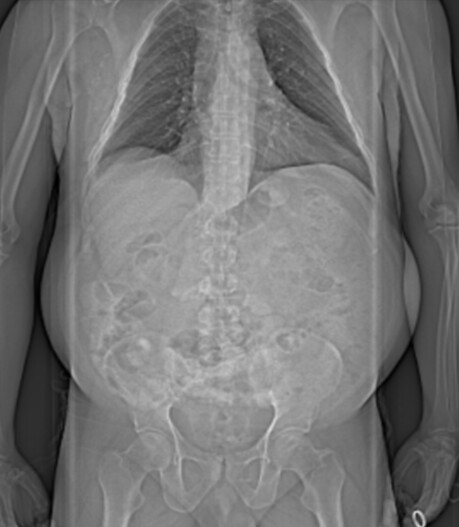
X-ray scan of swollen stomach – Dr Rickey Honea

IgG4-related disease (IgG4-RD) Fireside Chat | IgG4ward! PeachJAM & CanJAM Highlights